Precision machining as the basis for repeatable high-tech production

Precision machining

Our production capabilities

Precision machining forms an important foundation for the production of high-tech components, modules and systems. With 3-axis and 5-axis CNC milling, turning, multi-task machining, EDM and grinding, we produce parts with high dimensional accuracy and repeatable quality. Not only to make parts accurately, but to make designs suitable for stable series production. Engineering, workholding, tolerances and material behaviour are all considered as part of the process.

Through the close connection between engineering and production, we realise components that are not only functionally correct, but can also be produced repeatably and at scale.
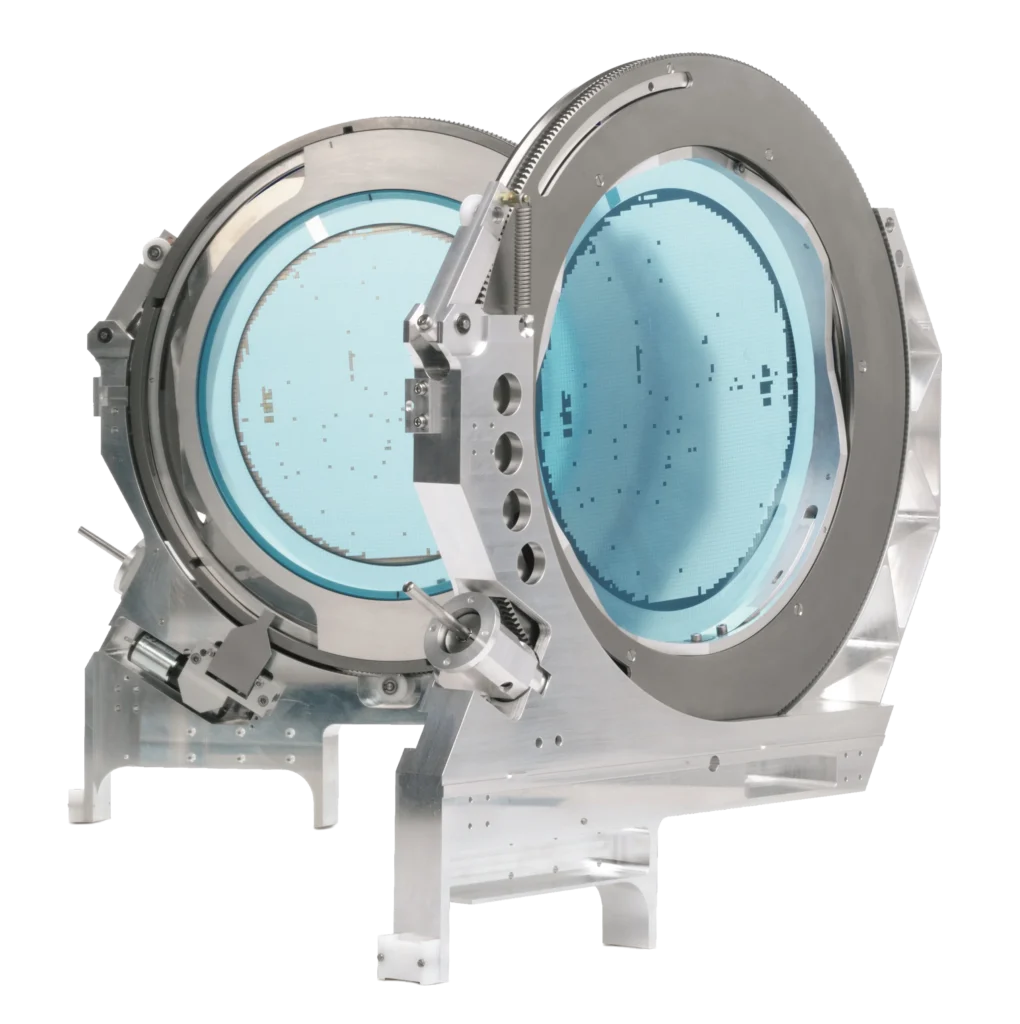
We produce, among others:

Where quality begins

Our techniques for precision machining

3-assig CNC frezen bij Doeko

3-axis CNC milling

3-axis milling provides a stable basis for producing accurate components with high dimensional accuracy. This machining method is used for parts that are less complex in shape, but where reliable workholding and repeatable tolerances are important within the wider production process.

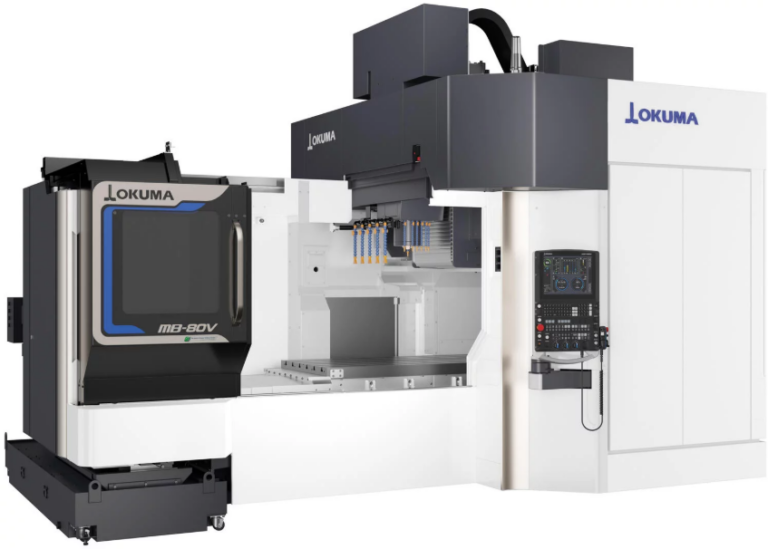
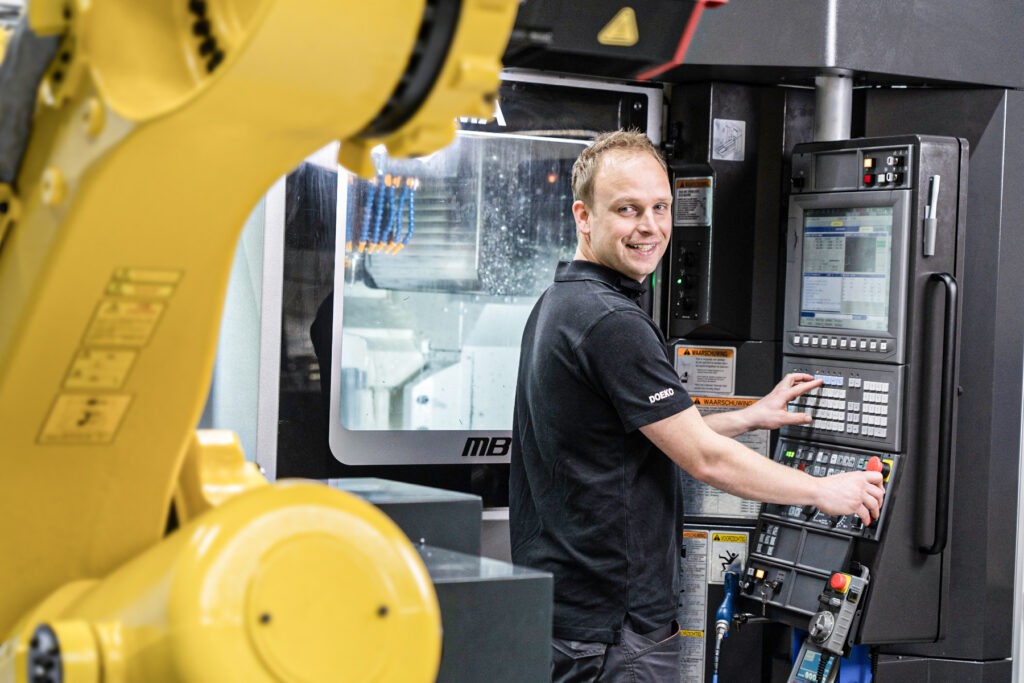
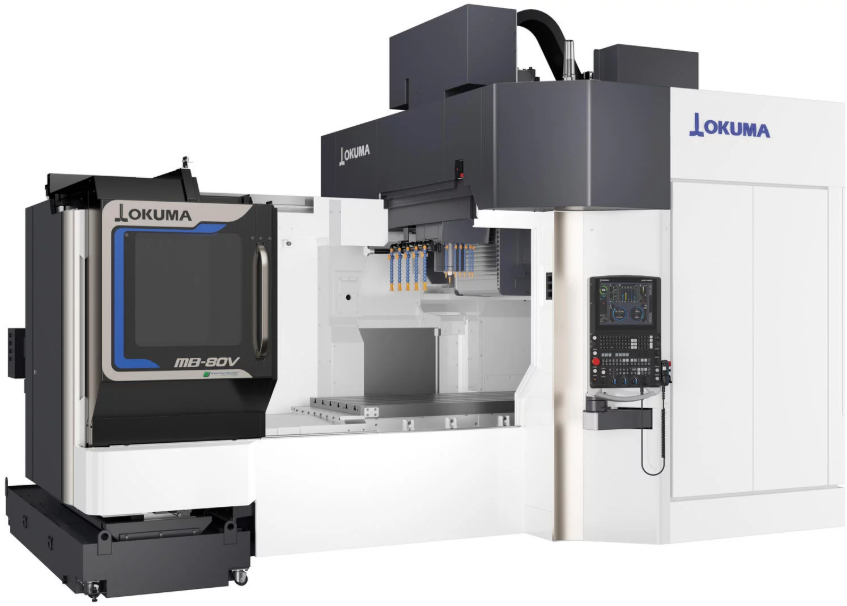
The Okuma MB80 is equipped with its own pallet automation, allowing workpieces to be changed automatically and production planning to be arranged flexibly. This enables the machine to be used efficiently for longer unmanned production runs and series production.

Okuma MB80
Okuma MB80
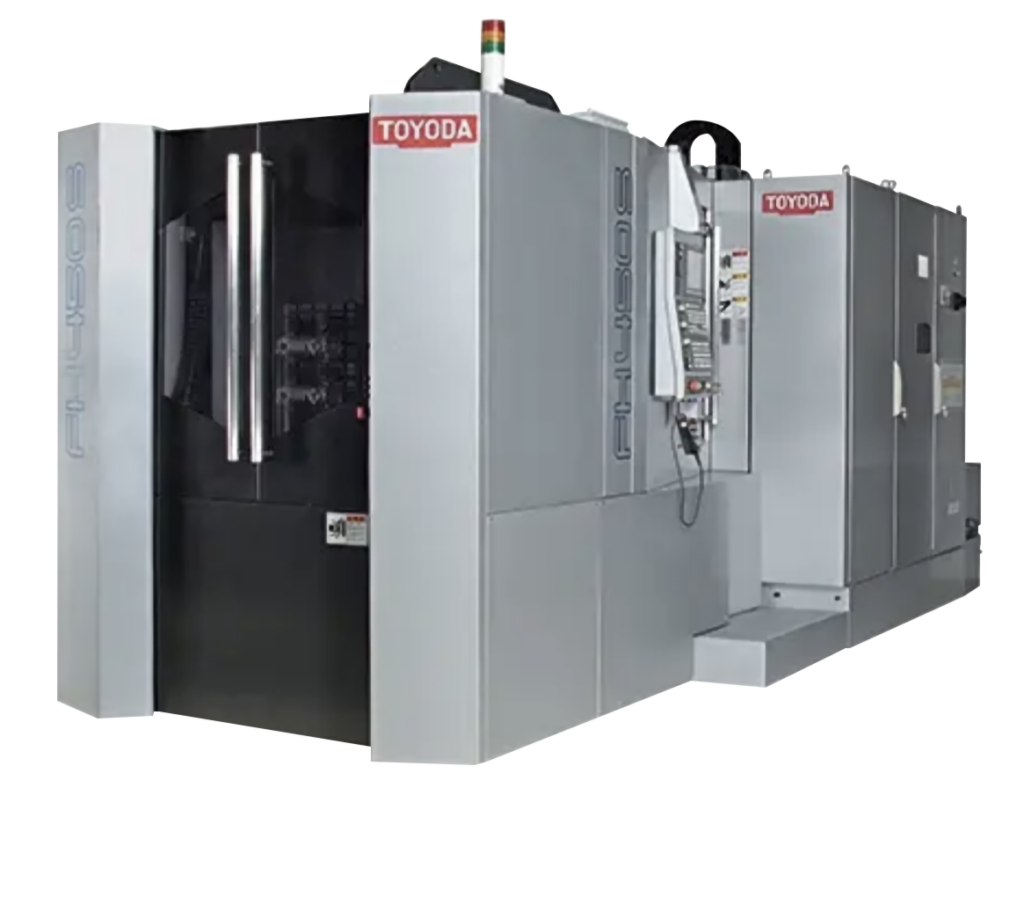
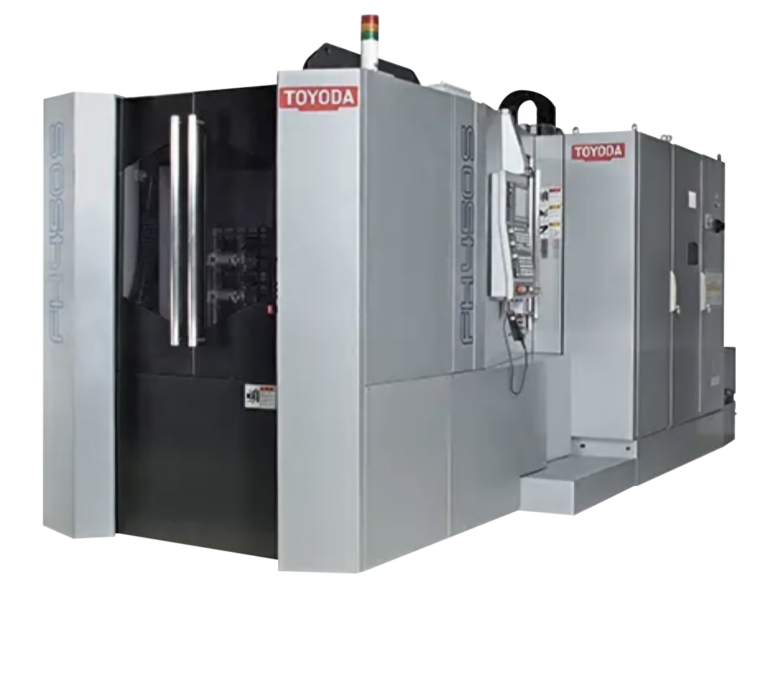
Toyoda FH45
Toyoda FH45
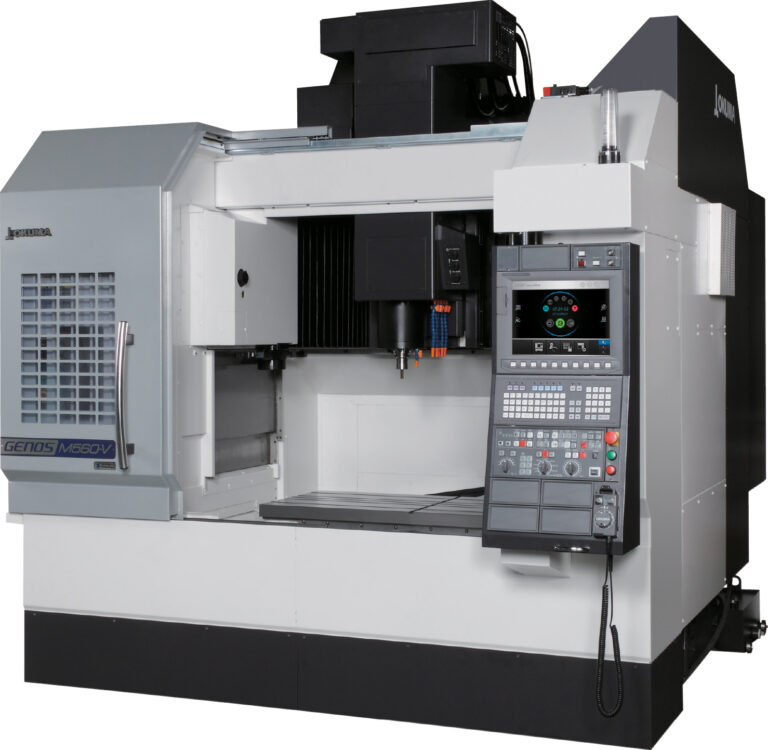
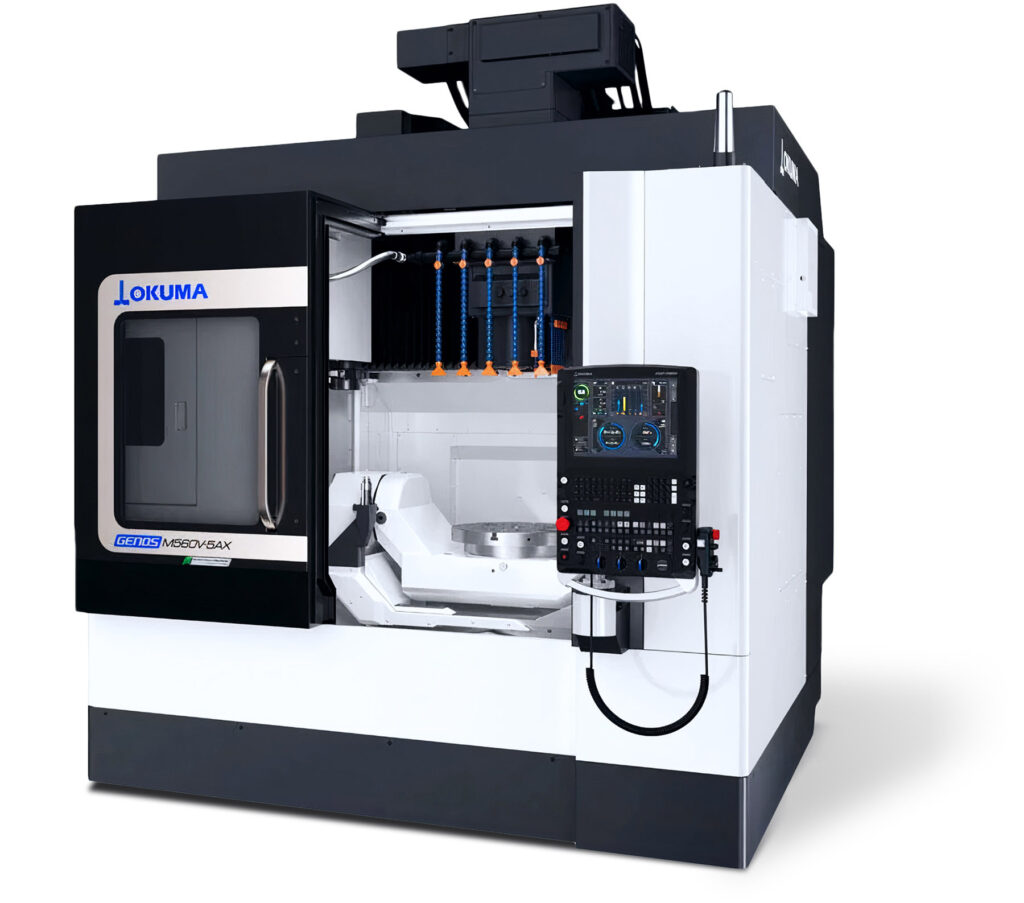
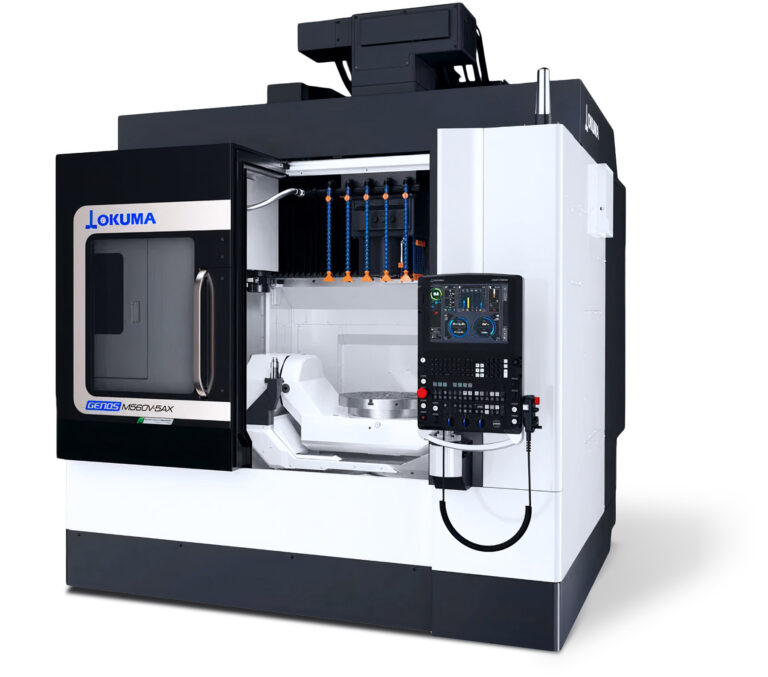
2x Genos M560
2x Genos M560
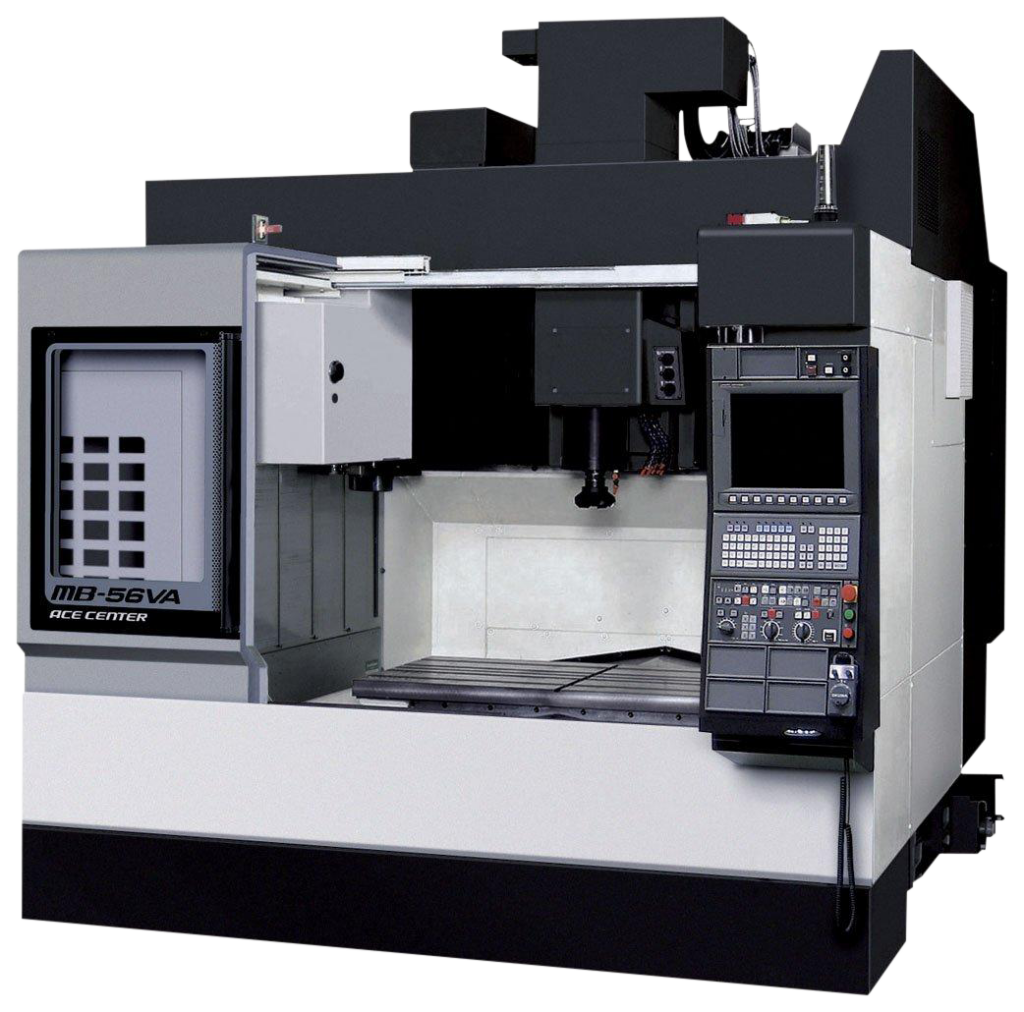
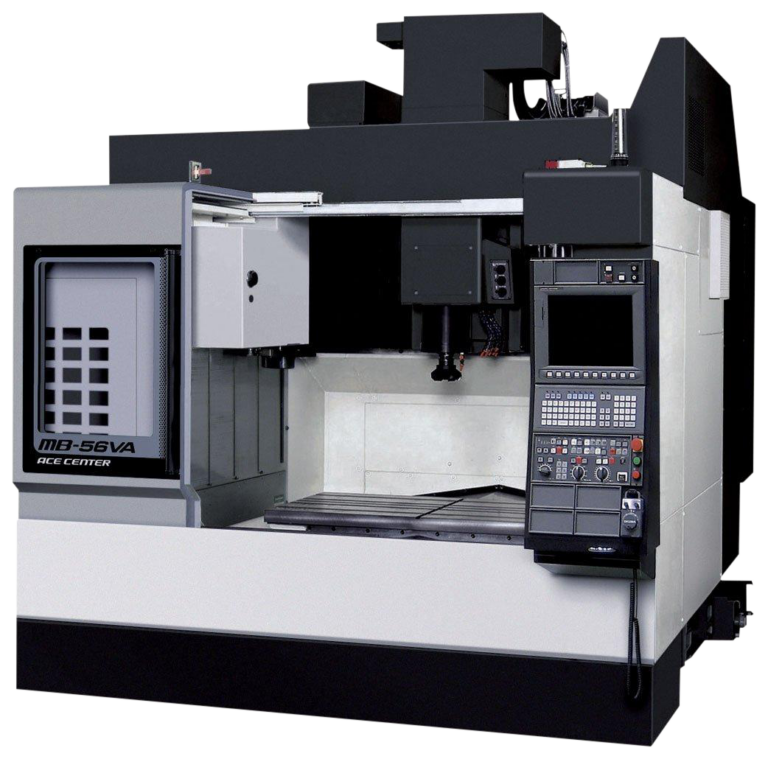
Okuma MB56
Okuma MB56

5-axis CNC milling

With 5-axis milling, we produce complex geometries with high positioning accuracy and fewer workholding changes. This helps keep tolerance stack-ups under control and allows parts to be further prepared for assembly or follow-up processes in a single machining step.

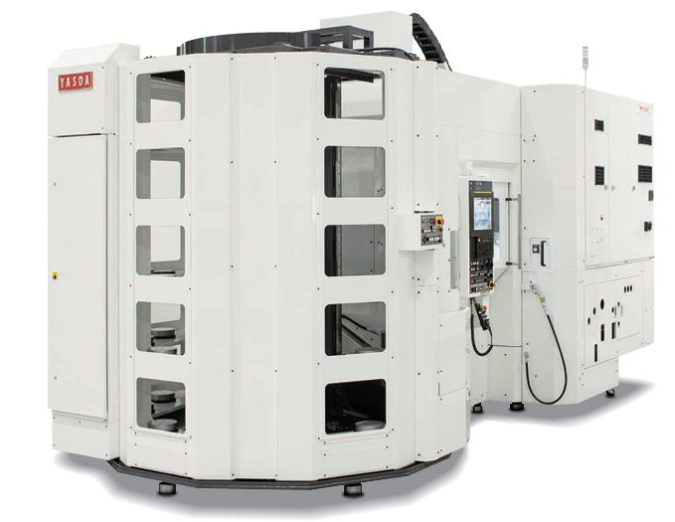
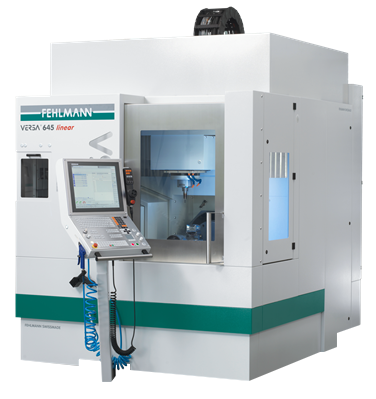
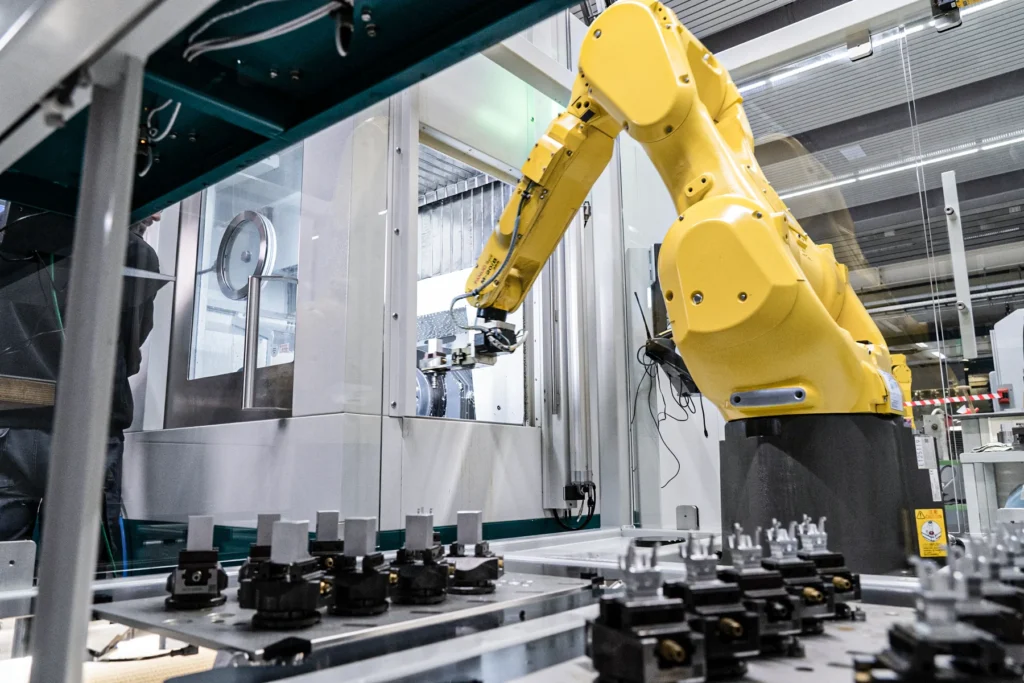
Our two Fehlmann Versa 645 milling machines are connected to a Fanuc robot cell, which is linked to central storage via an AGV. In addition, our Okuma M560V and Yasda PX30i each have their own automation. These configurations make it possible to process parts within a continuous and partly unmanned production environment.

Yasda PX30i
Yasda PX30i
2x Fehlman Versa 645
Okuma 560V
Okuma 560V
5-assig CNC frezen van hightech componenten
CNC draaien van fijnmechanische componenten

CNC turning

With CNC turning, we produce accurate round and cylindrical parts, such as shafts, bushes and rings. This process is suitable for components where dimensional accuracy, roundness and repeatability are important.

The turning processes are set up for integration into multi-step production routes and connect directly to follow-up processes within the production flow.

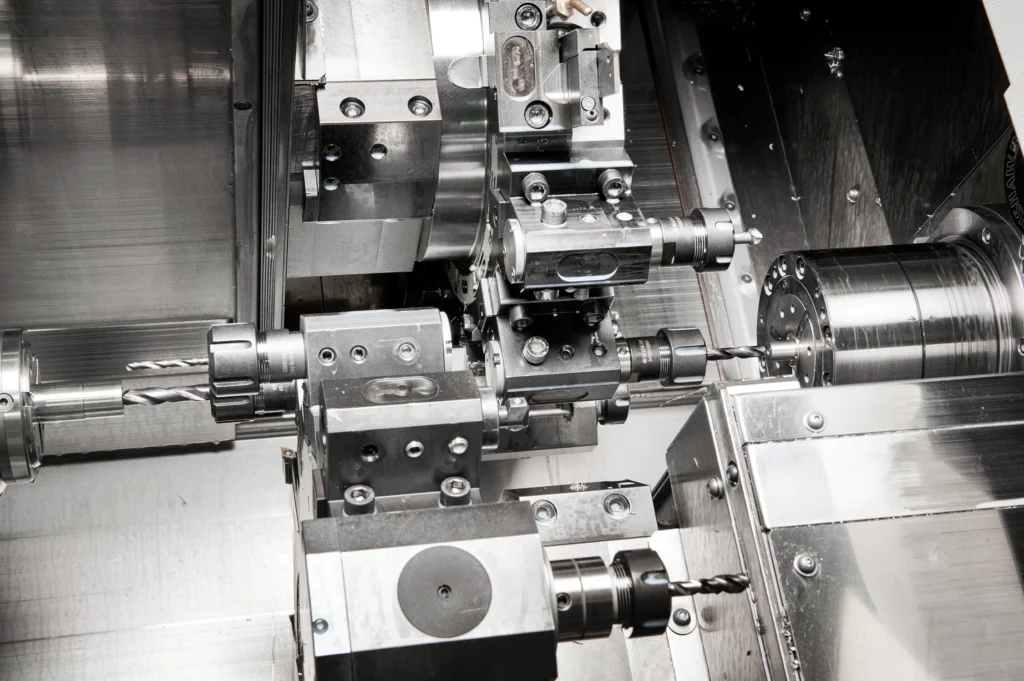
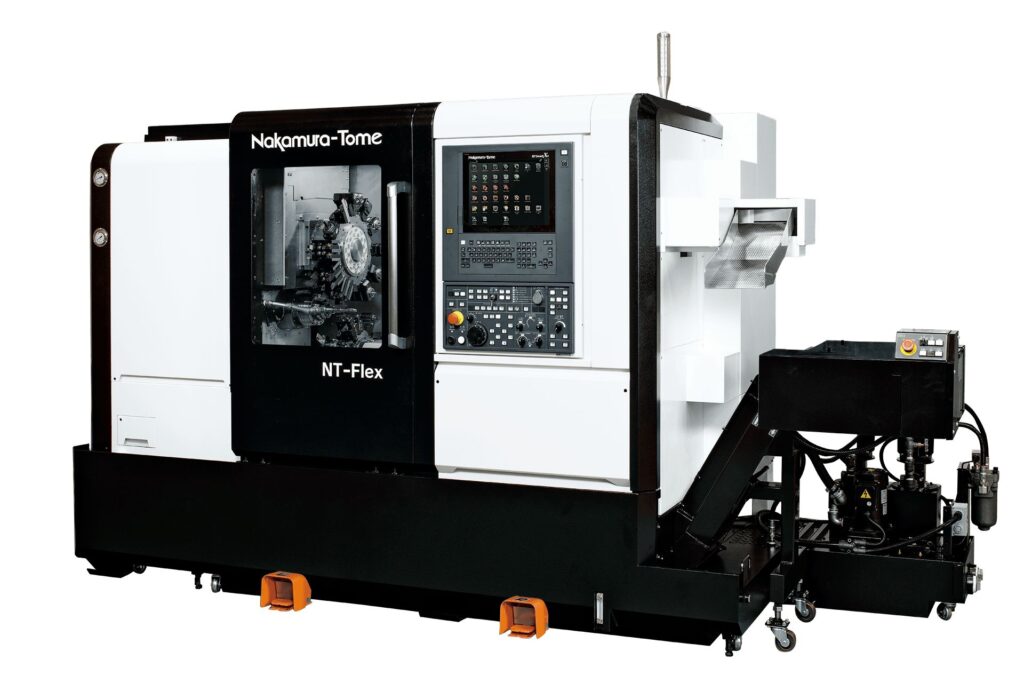
Nakamura-Tome NT Flex-Plus
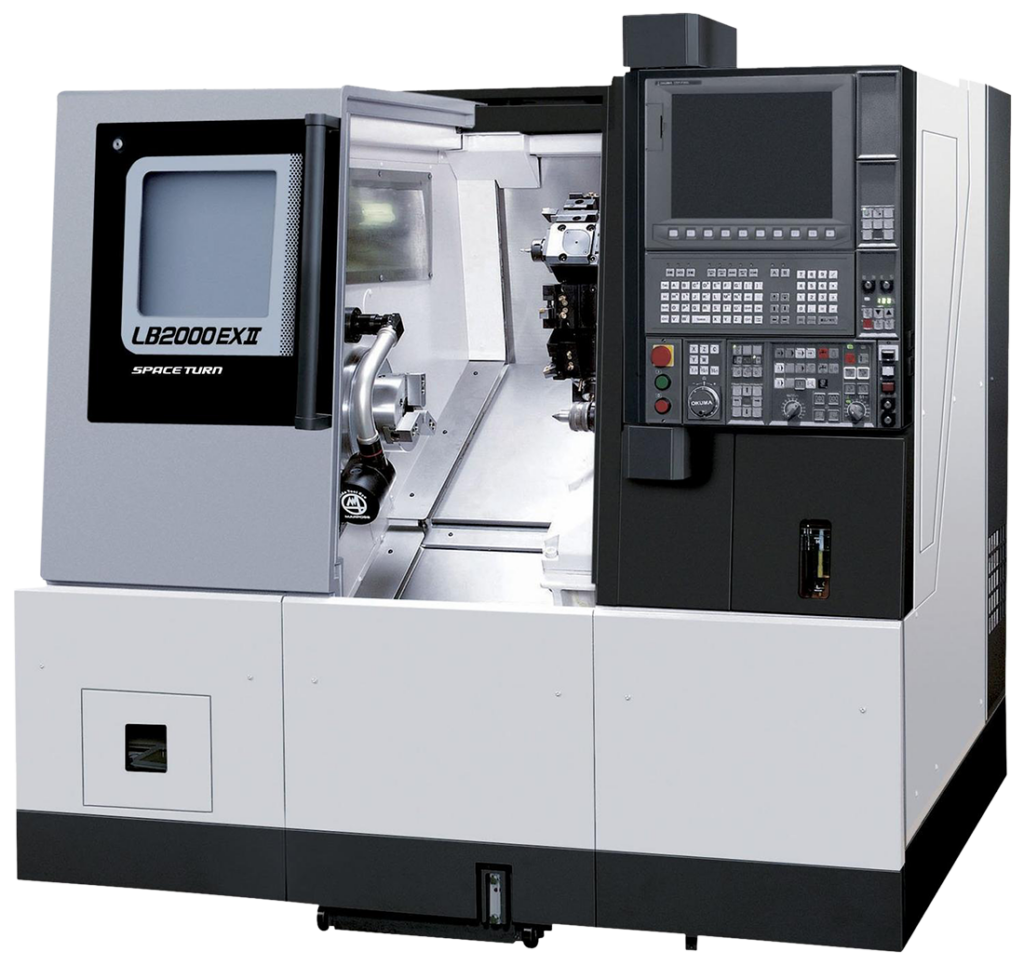
Free Okuma LB-2000
Okuma LB-2000

Multi-task machining

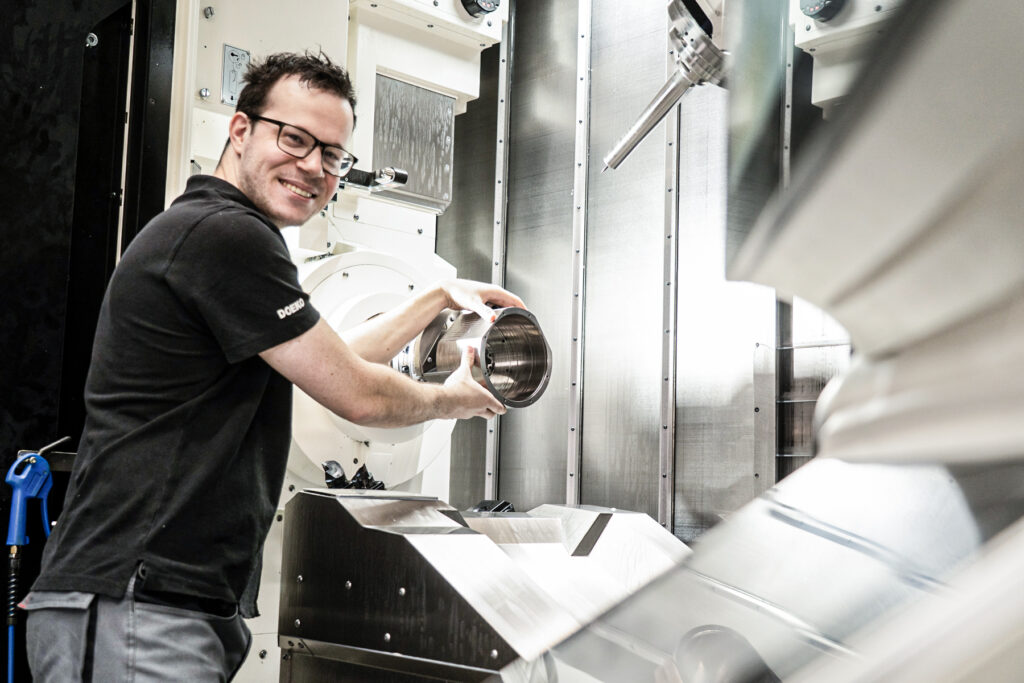
Multi-task machining combines turning and milling operations within one setup. This helps keep tolerance stack-ups under control and allows parts to be finished further towards the final component within a single machining cycle. It contributes to stable quality and efficient flow within series production.

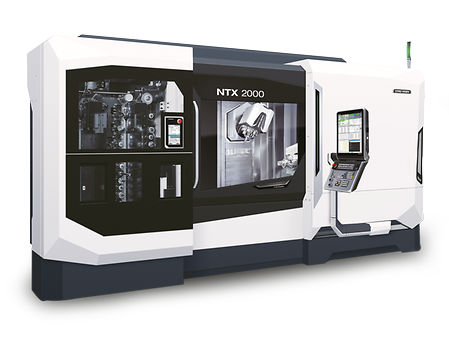
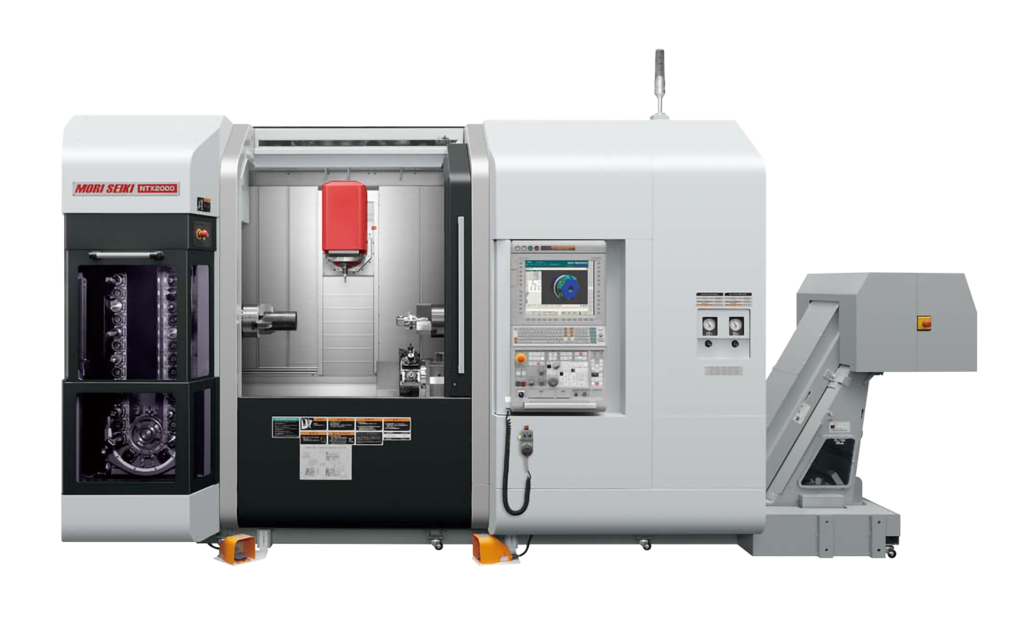
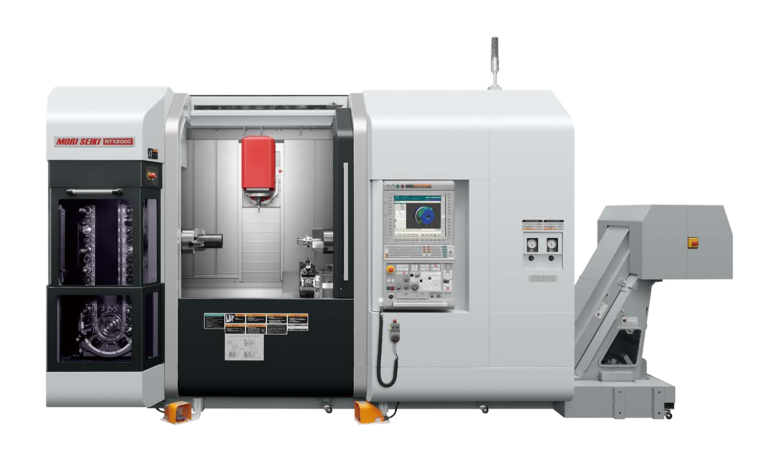
Both NTX2000 multi-task machines are equipped with Fanuc automation for product handling, allowing parts to be processed automatically within longer production runs while remaining integrated into the overall production process.

Mori Seiki NTX2000
Mori Seiki NTX2000
Mori Seiki NTX2000
Mori Seiki NTX2000
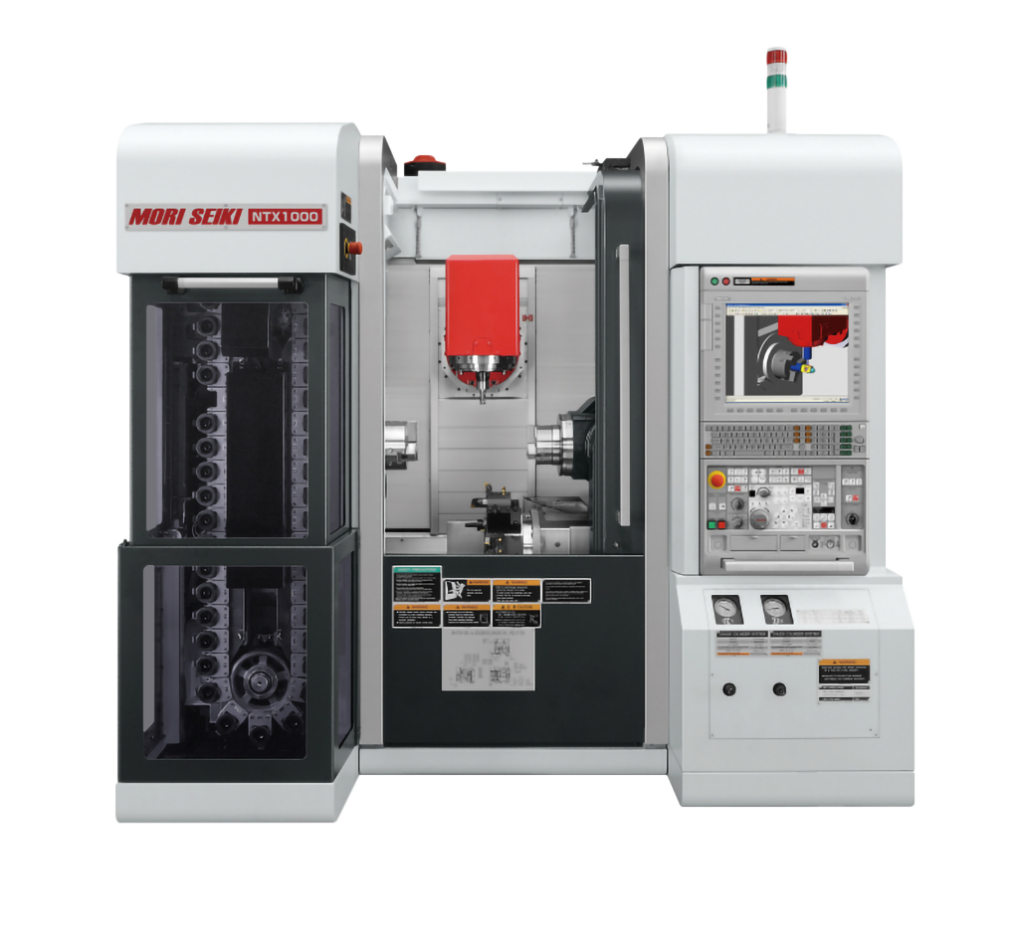
Mori Seiki NTX1000
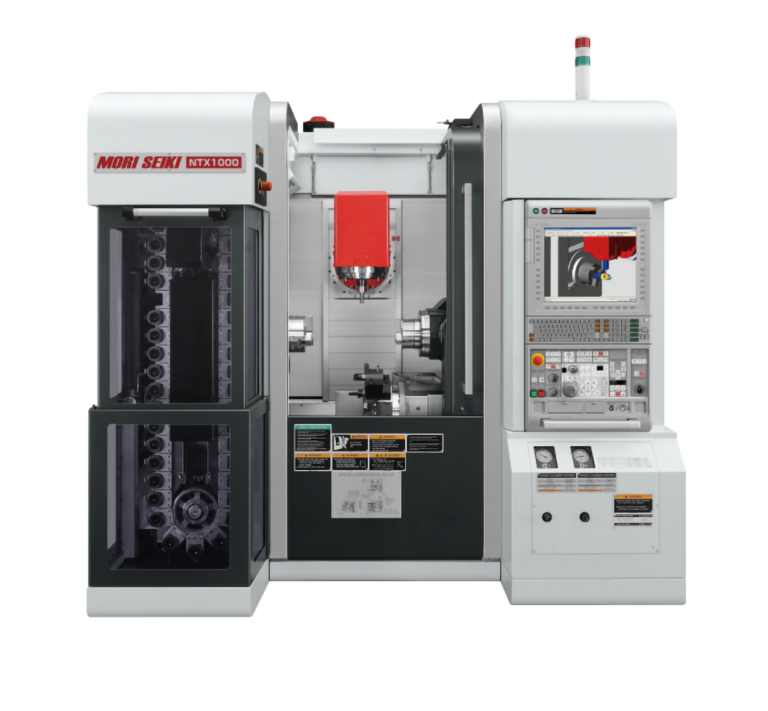
Mori Seiki NTX1000
Multitask bewerken met robotautomatisering
Eroderen van precisiecomponenten

EDM

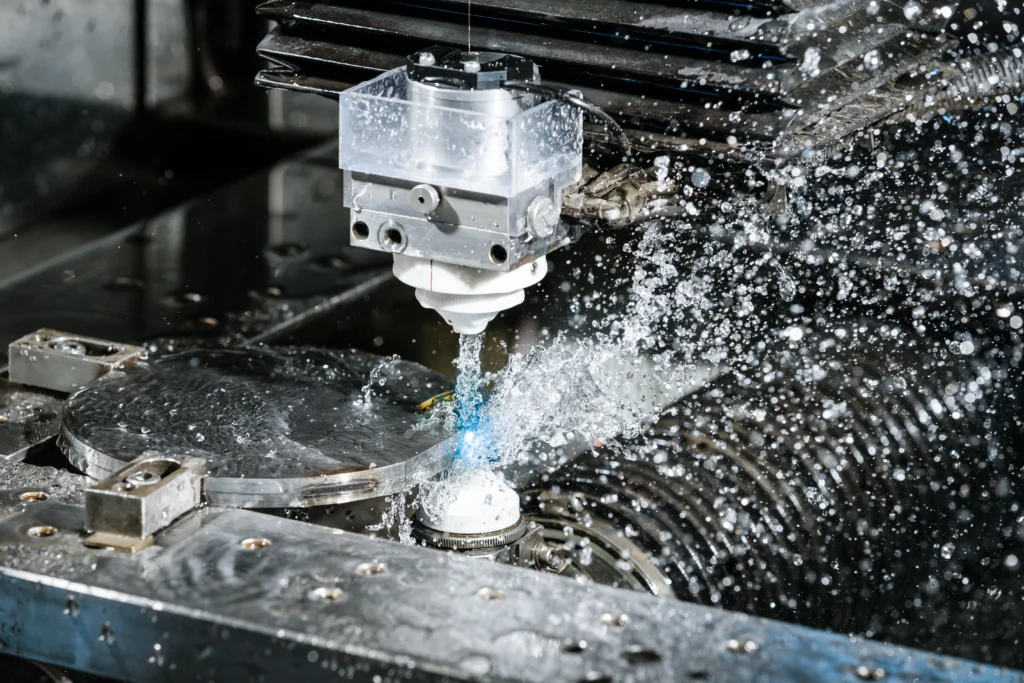
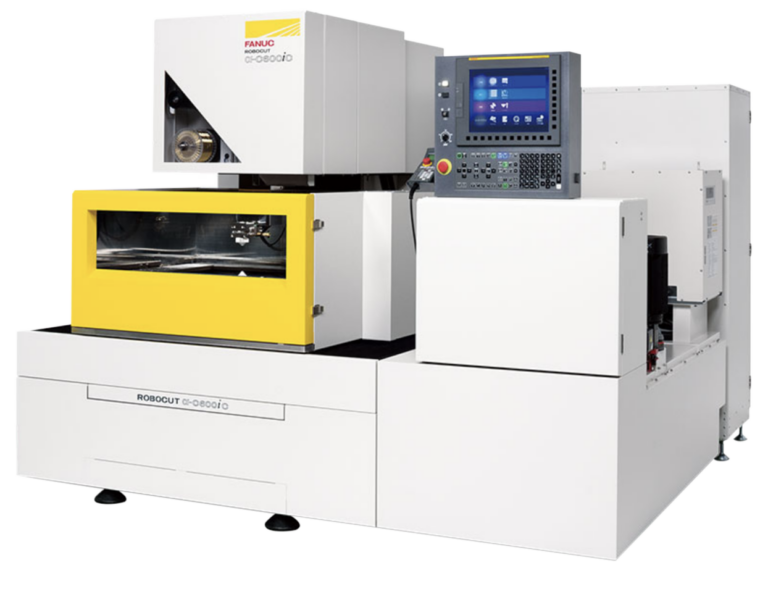
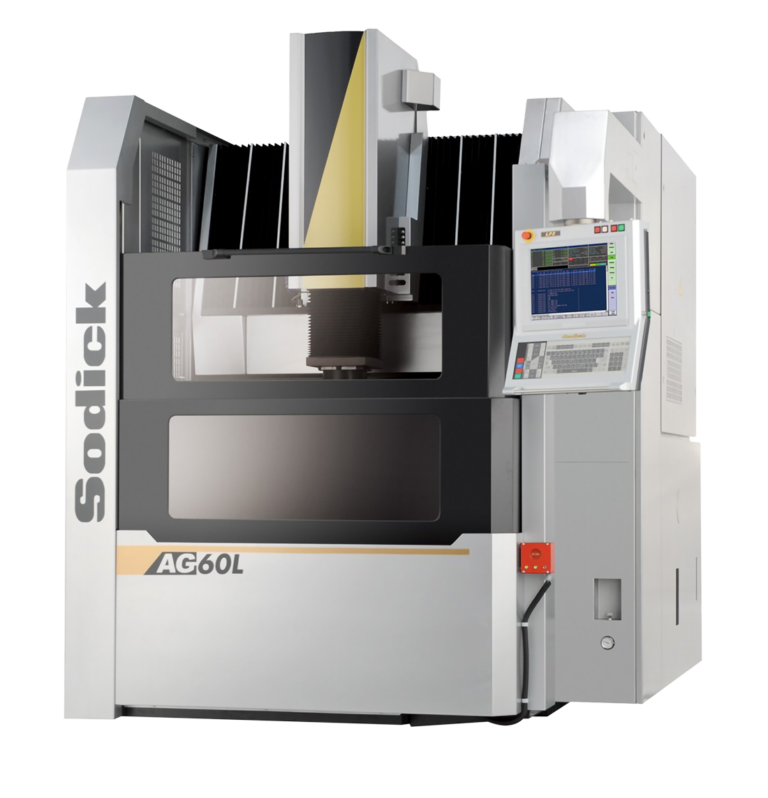
With wire EDM, sinker EDM and EDM drilling, we realise geometries and tolerances that cannot be achieved with conventional machining. These techniques are used for sharp internal contours, complex mould details, start holes for wire EDM and operations in hardened or difficult-to-machine materials. This makes EDM an essential part of precisely built production routes for precision mechanical components and tooling.

One of our wire EDM machines is connected to the central automation, allowing this operation to become part of multi-step production without manual transfer between processes. Automated quality measurements can also be carried out within this chain, contributing to a stable and repeatable process.

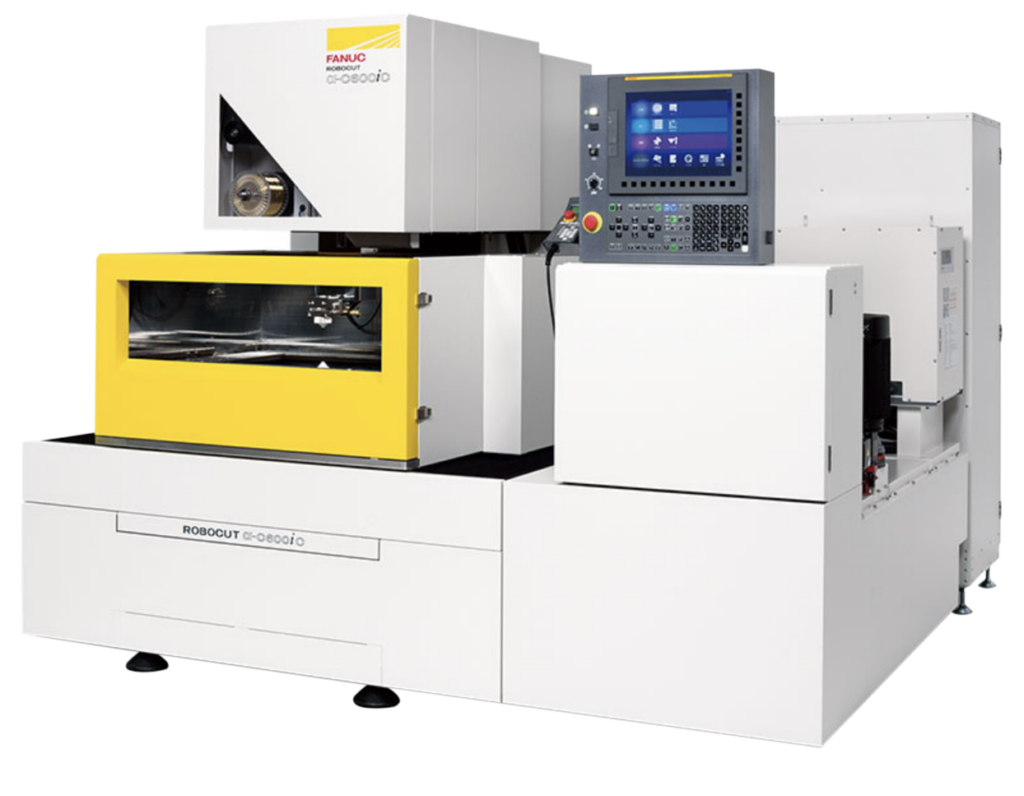
4x Fanuc Robocut C6000
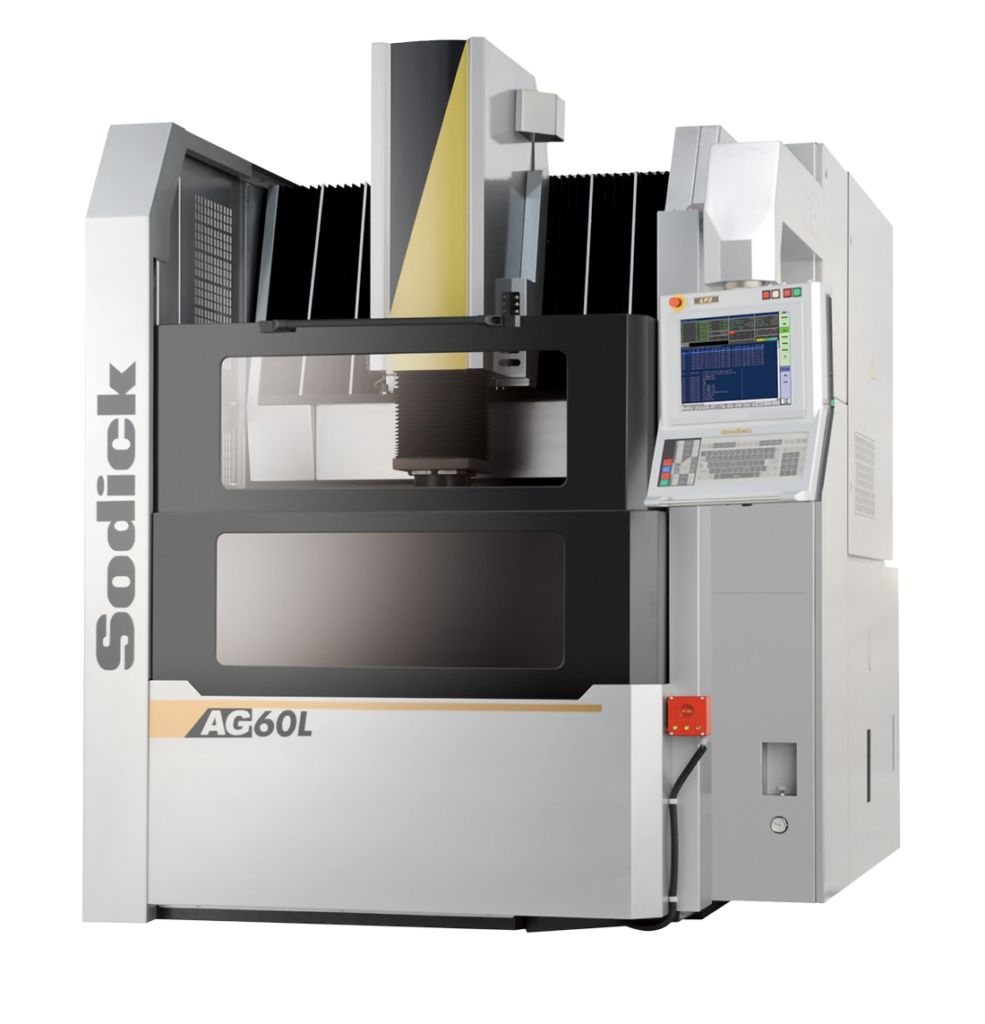
Sodick AG60L
Sodick AG60L
River 600
River 600

Grinding

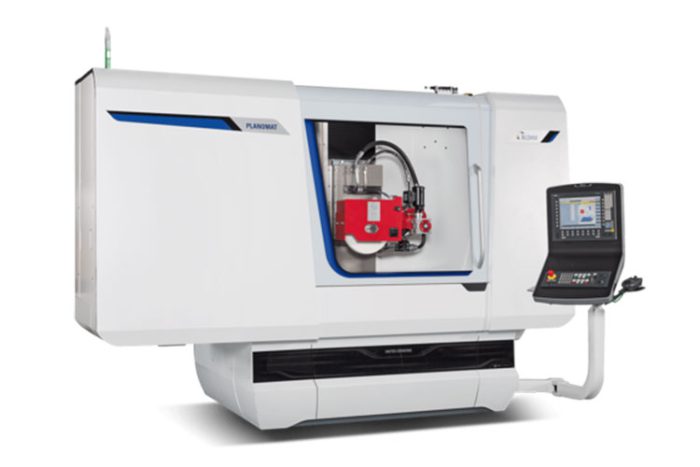
Grinding is used when fit, flatness and surface quality determine the functionality of a component within a module or system. This operation is often the final step within a tolerance chain where micron-level accuracy is required.

Grinding operations connect directly to earlier machining steps within the overall production process and contribute to a stable and repeatable final quality.

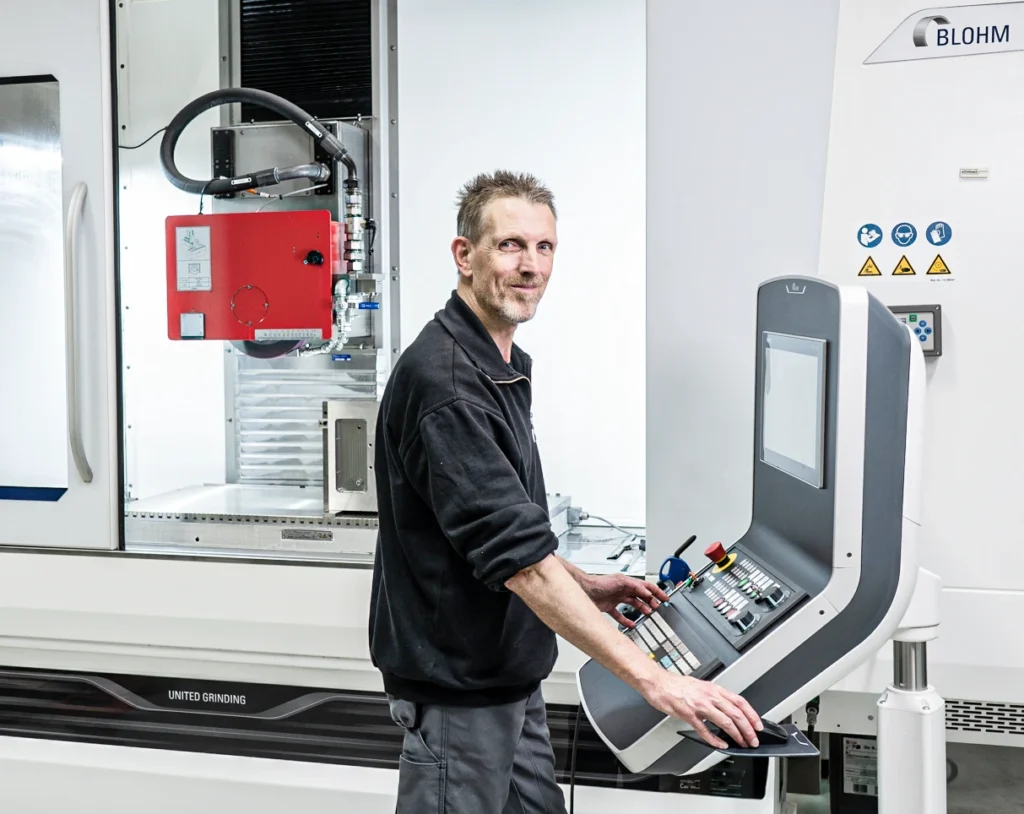
2x Blohm Planomat XT
Slijpen van hightech componenten

Efficiency in machining

Automated machining as part of an integrated production flow

Our machining centres are connected to the central automation within the factory and function as part of a continuous production flow. This allows us to produce complex high-tech components, modules and systems in a stable way, both as one-offs and in scalable series.

Through this integration, we are strong in products that consist of multiple machining steps and different process transitions. Automation supports a stable material flow, controlled tolerance stack-ups and a consistent quality level throughout the full route from component to final product.

Do you want to know how we apply this approach within your production environment? Read more about our approach or contact us.

Precisieverspaning met CNC meettaster

Frequently asked questions

Practical questions and answers

Which machining techniques does Doeko offer?

Doeko offers various machining techniques, including 3-axis milling, 5-axis milling, CNC turning, multi-task machining, wire EDM, sinker EDM, EDM drilling and grinding. These techniques can be used separately or combined for high-tech components with multiple process steps.

Doeko specialises in precision machining for parts with strict tolerances. The exact achievable accuracy depends on the material, geometry, workholding, production route and measurement method. For critical components, we assess in advance which tolerances are achievable and how we can secure them with repeatable quality.

Yes. Doeko is strong in products that require multiple machining operations, such as milling, turning, EDM, grinding and in-process inspection. By combining extensive knowledge and multiple techniques in-house, complex components can move through several process steps in a controlled way.

Yes. Doeko provides precision machining for one-offs, small series and series production. The focus is primarily on products that ultimately need to be produced repeatably. A project often starts with one-offs or prototypes, after which the process is set up for stable series production.